Best starting point for an unexplained vehicle problem: a general repair shop. Best named option here for muffler, exhaust, and catalytic converter repair: Barberton Muffler, located in Barberton rather than Cuyahoga Falls. This 2026 guide helps you match the repair to the right shop type instead of treating every garage as interchangeable.
- For auto repair shops cuyahoga falls ohio, choose by repair specialty rather than a general best-shop label.
- Barberton Muffler fits muffler, exhaust, and catalytic converter repair needs; the shop is in Barberton.
- Use a general repair shop for unexplained symptoms and an electrical specialist for confirmed electrical problems.
- Request a written estimate and approve the repair scope before work begins.
Why this matters
The best shop for an exhaust leak is not automatically the best shop for an intermittent starting problem. You need a business that handles the fault, explains the diagnosis, and gets your approval before replacing parts.
This is a ranked guide to repair-shop types, with a named exhaust option—not a claim that businesses in Cuyahoga Falls have been tested against one another. The ranking puts symptom diagnosis and service fit ahead of proximity alone. For your 2026 search, keep the distinction clear: a shop serving your repair needs and a shop located in your preferred city are separate choices.
What makes the best auto repair shop?
Use these criteria before comparing names. They tell you whether a shop is a fit for your vehicle and the work you actually need.
- Repair fit: The shop handles the system involved, such as exhaust, brakes, tires, or electrical components.
- Diagnostic explanation: The shop explains what failed and what evidence supports the proposed repair.
- Written scope: The estimate separates the requested work from additional recommendations.
- Approval process: You know how the shop will request permission if the repair changes after inspection.
- Vehicle fit: The shop confirms that it works on your vehicle's make, model, and powertrain.
- Practical access: You can arrange vehicle drop-off, collection, or towing without confusing the shop's location with its service area.
Choose the shop that can explain your problem, not the one that simply names the most services. A long service menu does not establish the cause of a noise, warning light, or handling concern.
Auto repair options at a glance
The table ranks each option by a distinct job. It compares service fit, not review scores or verified performance differences between local businesses.
| Rank | Shop or shop type | Best for | Standout reason to consider it | Key limitation |
|---|---|---|---|---|
| 1 | Barberton Muffler | Muffler, exhaust, and catalytic converter repair | Its stated services match those repair needs | Located in Barberton, not Cuyahoga Falls |
| 2 | General repair shop | An unexplained problem involving several possible systems | A starting point for diagnosis and routine mechanical work | Confirm the exact service and vehicle coverage |
| 3 | Tire and alignment shop | Tire wear and alignment concerns | Focused work on tires and wheel alignment | Alignment alone does not fix worn suspension parts |
| 4 | Manufacturer dealership service department | Recall checks and manufacturer-specific repair needs | Access to the vehicle manufacturer's service process | Recall coverage depends on the vehicle and campaign |
| 5 | Automotive electrical specialist | A confirmed electrical or starting-system fault | Focused diagnosis of circuits and related components | Does not replace the need to rule out mechanical causes |
1. Barberton Muffler: best fit for exhaust-related repair needs
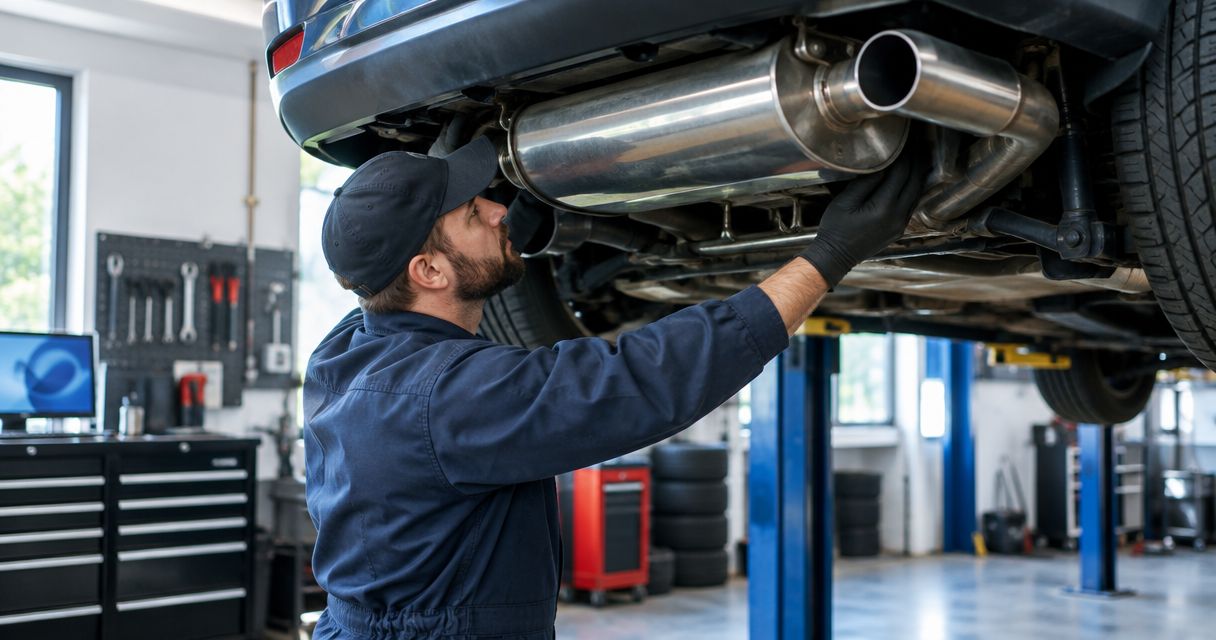
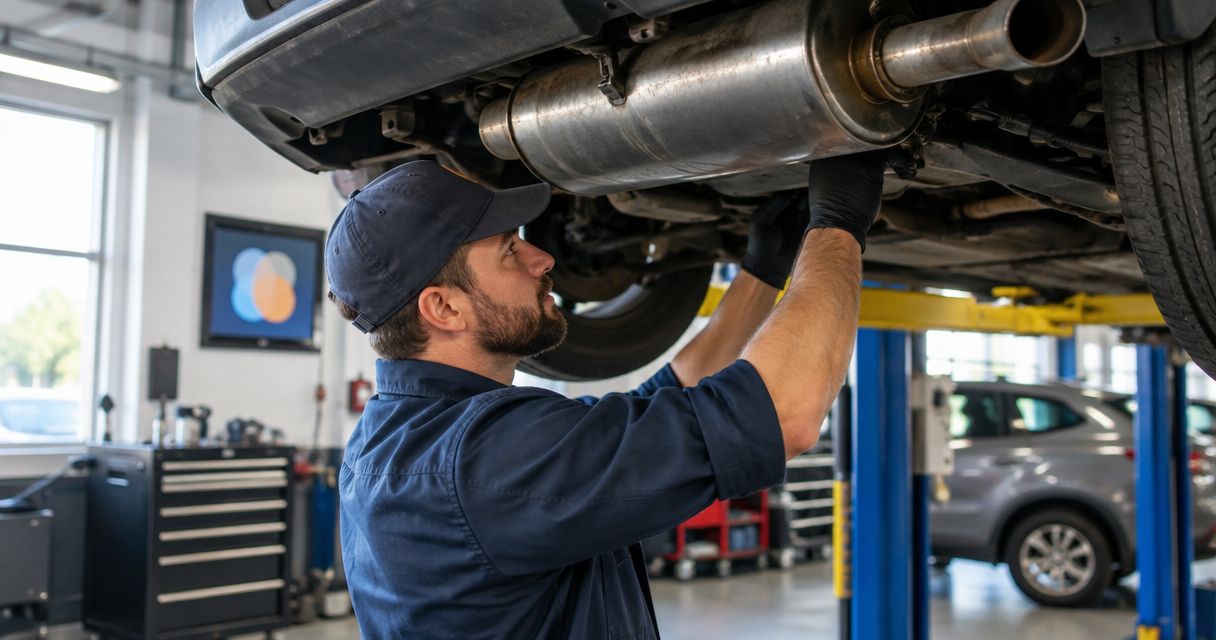
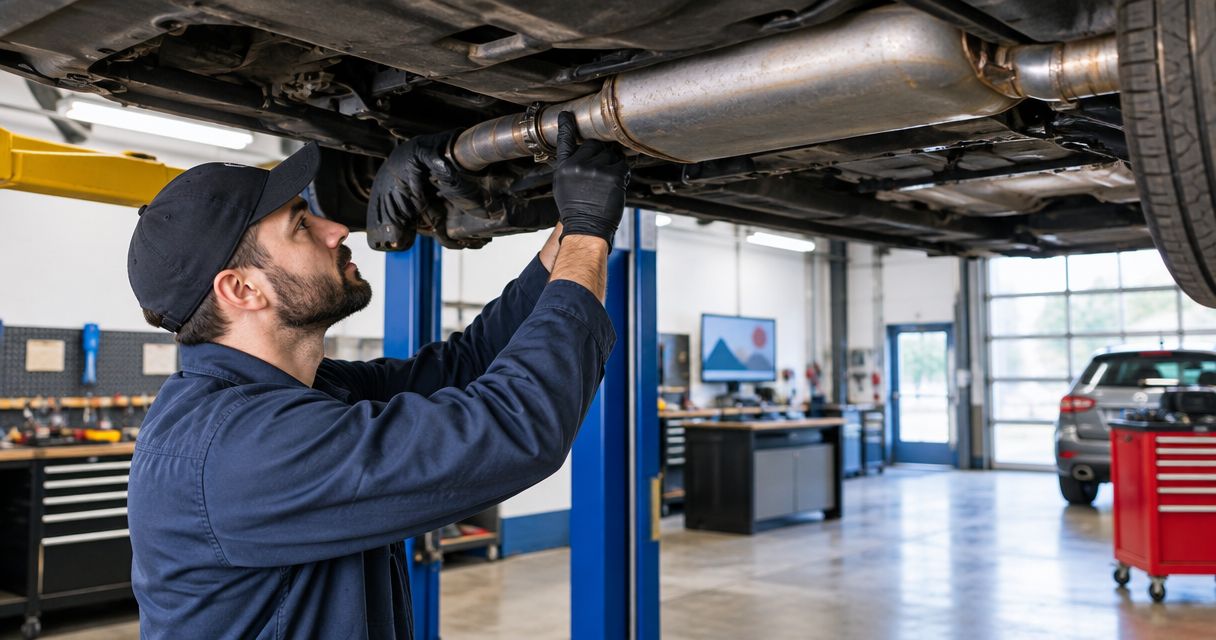
Barberton Muffler offers muffler, exhaust, and catalytic converter repair in Barberton, Ohio. Those stated services make it a relevant option when your repair concerns those parts of the vehicle, rather than unrelated maintenance or an undiagnosed problem elsewhere.
Barberton Muffler is a service-fit choice for vehicle owners seeking muffler, exhaust, or catalytic converter repair. For a Cuyahoga Falls driver, the location is part of the decision: you would be choosing a shop in Barberton, not a business inside Cuyahoga Falls.
Exhaust-service pros:
- The stated service scope includes muffler and exhaust repair.
- Catalytic converter repair is also explicitly included.
- A defined repair category helps you make a specific service inquiry.
Exhaust-service cons:
- The shop is outside the city named in this search.
- Exhaust services do not establish coverage for unrelated repairs.
Best for: A vehicle owner who needs an exhaust-related inspection or repair and is considering Barberton as a repair destination.
Describe the symptom before requesting a particular part. A louder exhaust does not, by itself, prove that the muffler needs replacement; the inspection should identify the damaged section or connection.
Verdict: Choose Barberton Muffler for a service inquiry about muffler, exhaust, or catalytic converter repair—not as a substitute for every type of auto repair.
2. General repair shop: best for an unexplained vehicle problem
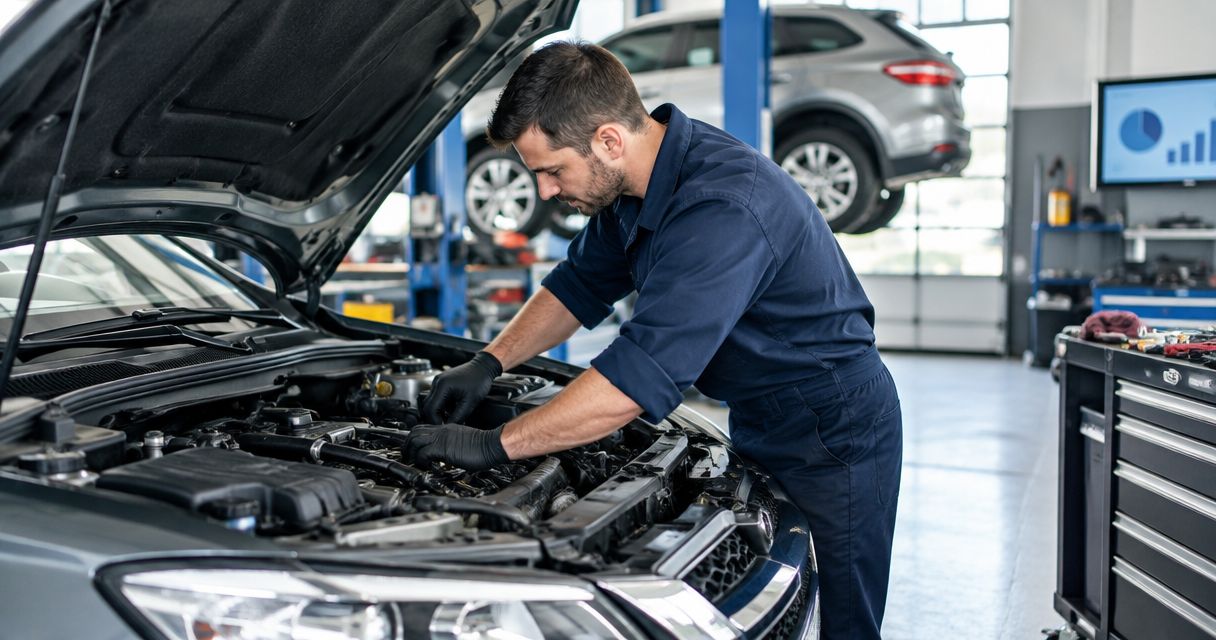
A general repair shop is the starting point when you cannot connect a symptom to a specific system. Rough running, a warning light, or a new vibration needs diagnosis before you decide which component to replace.
Ask whether the shop handles the relevant work on your vehicle. General repair is a broad category, not a promise that every independent garage services every powertrain or performs every specialized repair.
General repair shop pros:
- Suits problems with several possible mechanical causes.
- Lets you discuss routine maintenance alongside the main complaint.
- Helps establish whether specialist work is necessary.
General repair shop cons:
- Service coverage varies by business and vehicle.
- A specialized fault can require referral or additional equipment.
Best for: Drivers with an unexplained symptom, several maintenance needs, or no clear reason to start with a specialist.
For your 2026 appointment, describe when the issue happens: during starting, braking, turning, idling, or acceleration. That description gives the shop a clearer starting point than a guessed diagnosis.
Verdict: Choose a general repair shop when the cause is unknown; approve parts replacement only after the diagnosis is explained.
3. Tire and alignment shop: best for tire wear and alignment concerns
A tire and alignment shop fits problems involving tire condition, balancing, and wheel alignment. Start here when your main concern is uneven tire wear or an alignment check, while asking whether the shop also inspects steering and suspension components.
Pulling or vibration does not identify one cause on its own. Tires, brakes, road conditions, and suspension faults can affect how a vehicle feels, so request an inspection rather than ordering an alignment as a guaranteed fix.
Tire and alignment shop pros:
- Focuses the appointment on tires and wheel alignment.
- Supports discussion of tire wear patterns and tire condition.
- Offers a relevant starting point for a suspected wheel-balance issue.
Tire and alignment shop cons:
- Alignment cannot repair a damaged or worn mechanical component.
- A tire-focused business does not necessarily handle engine or exhaust faults.
Best for: Drivers whose main concern is tire wear, tire condition, or a suspected alignment issue.
Ask for the findings that support the recommendation. If a steering or suspension part needs repair first, establish that sequence before authorizing alignment work.
Verdict: Choose a tire and alignment shop for tire-related concerns; skip an alignment-only approach when the inspection identifies damaged parts.
4. Dealership service department: best for manufacturer-specific needs
A dealership service department is a relevant option for recall inquiries and repairs that need the manufacturer's service process. Contact the dealership associated with your vehicle's make and have your vehicle identification number ready.
Do not assume that a warning light or failed component qualifies for a recall repair. Recall eligibility depends on the particular vehicle and the applicable campaign, not just the symptom or model name.
Dealership service department pros:
- Provides a route for checking manufacturer recall applicability.
- Fits questions about manufacturer-specific service procedures.
- Gives you a place to verify whether a repair falls under applicable manufacturer coverage.
Dealership service department cons:
- Coverage requires confirmation for your vehicle and repair.
- A manufacturer-specific issue does not establish the best choice for unrelated routine work.
Best for: Drivers checking recall status or seeking a repair tied to manufacturer procedures or coverage.
For a 2026 recall inquiry, use the vehicle identification number rather than relying on an old notice alone. Ask the service department to confirm the current campaign status and the work involved.
Verdict: Choose the relevant dealership for recall and manufacturer-specific questions; verify eligibility before assuming coverage.
5. Automotive electrical specialist: best for confirmed electrical faults
An automotive electrical specialist fits problems involving wiring, circuits, and electrical components. This category is particularly relevant after an initial inspection identifies an electrical fault or when a recurring electrical problem needs further diagnosis.
A vehicle that will not start does not automatically have a failed battery. The battery, connections, starter circuit, and mechanical conditions need to be distinguished before parts are selected.
Automotive electrical specialist pros:
- Focuses attention on the electrical system involved.
- Fits recurring circuit faults that need further investigation.
- Supports diagnosis before repeated component replacement.
Automotive electrical specialist cons:
- An apparent electrical symptom can have another cause.
- Specialized electrical work does not establish coverage for unrelated mechanical repairs.
Best for: Drivers with a confirmed electrical fault or an unresolved electrical complaint after an initial inspection.
Explain whether the problem is constant or intermittent and whether it changes after the vehicle sits. Provide previous repair records so the shop can distinguish completed work from proposed work.
Verdict: Choose an electrical specialist for an identified electrical problem; skip repeated battery or starter replacement without supporting diagnosis.
How to compare estimates before approving work
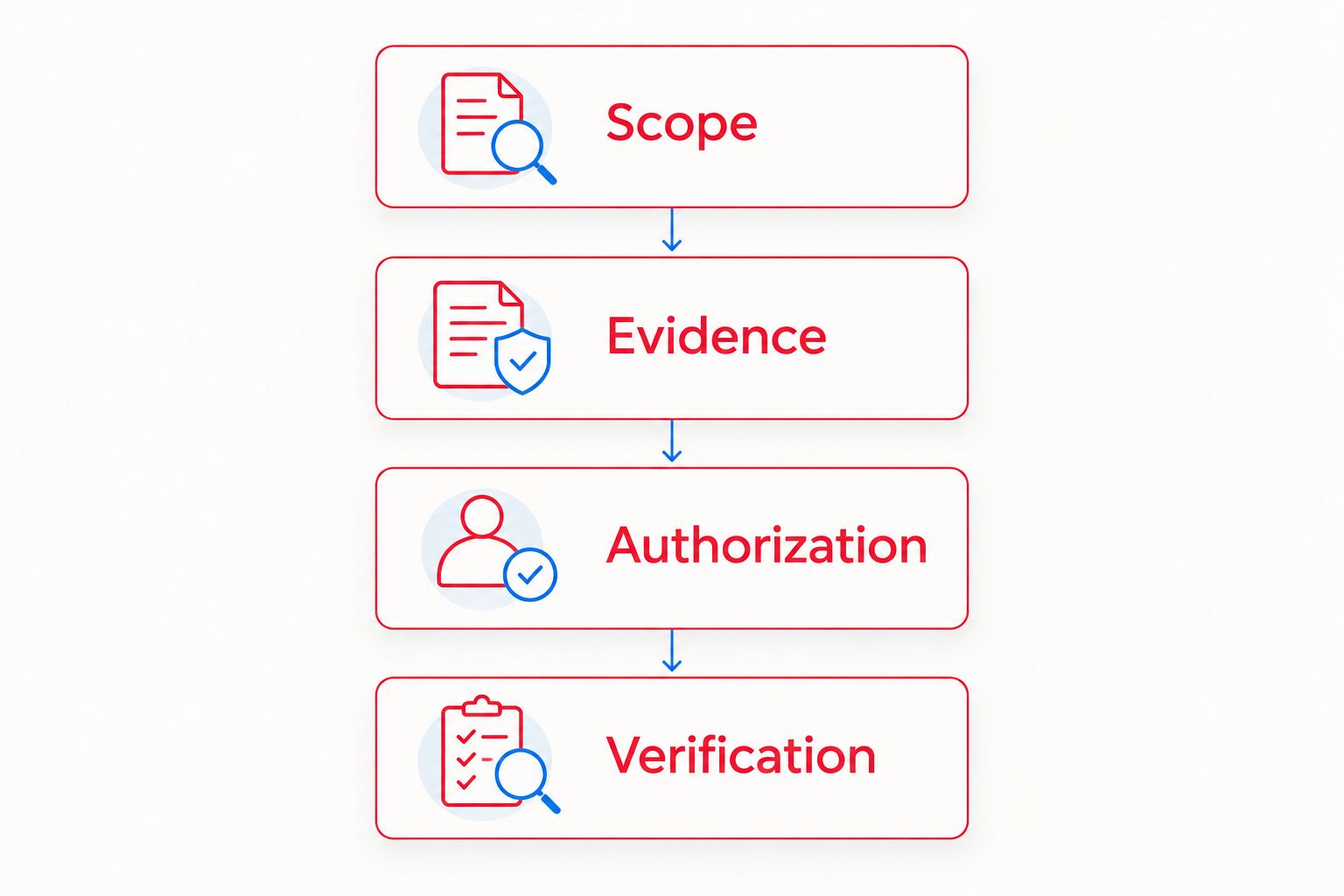
Ask 4 questions about every proposed repair: scope, evidence, authorization, and verification. These questions apply whether you use a specialist or a general repair shop.
- Scope: Which component or section needs repair, and what work does the estimate include?
- Evidence: What inspection finding supports that repair?
- Authorization: How will you approve additional work if the findings change?
- Verification: How will the shop check that the repair addressed the original complaint?
Compare estimates for the same job. A repair to one exhaust section and replacement of a larger assembly are different scopes, even when both descriptions mention exhaust work.
Keep 2 documents: the written estimate and the final invoice. The estimate records the proposed work; the invoice records what was completed. Read both and ask about any difference in scope.
What to tell the shop when you call
Prepare 3 symptom details: the sound, the smell, and the warning-light status. Describe only what you actually observed; do not add a symptom because it appears in a checklist.
Then explain when the problem occurs and whether it followed a repair, impact, or other noticeable event. A specific description helps the shop plan the inspection without turning your guess into the repair order.
If you smell exhaust inside the cabin, stop driving and arrange professional inspection. Carbon monoxide is odorless, so the absence of an exhaust smell does not establish that a vehicle is safe.
Ask about your exhaust repair
Describe your muffler, exhaust, or catalytic converter concern before arranging an inspection.
How the options are ranked
This 2026 ranking follows repair fit: a named exhaust-service option first, broad diagnosis second, then focused choices for tires, manufacturer-specific work, and electrical faults. It is a decision guide, not a customer-review leaderboard.
The criteria remain the same across every category: relevant service coverage, a clear diagnosis, a written scope, approval before additional work, and a practical location. A specialist wins only when the problem matches the specialty.
Which auto repair shop should you choose?
For an unexplained vehicle problem, start with a general repair shop that confirms it handles your vehicle. For muffler, exhaust, or catalytic converter repair, consider the named Barberton option if that location works for you.
Choose a tire and alignment shop for tire-focused concerns, the relevant dealership for recall inquiries, and an electrical specialist for an identified electrical fault. Your default should be diagnosis first—not the nearest business with the broadest service list.
FAQ
What's the best auto repair shop for an unexplained problem in Cuyahoga Falls?
A general repair shop is the best starting category for an unexplained vehicle problem. Confirm that the business handles your vehicle and ask for a diagnosis before approving replacement parts.
Is Barberton Muffler located in Cuyahoga Falls?
No. Barberton Muffler is located in Barberton, Ohio, and offers muffler, exhaust, and catalytic converter repair. Consider the location when arranging an inspection.
Should I choose an exhaust specialist or a general mechanic?
Choose an exhaust-service provider when the repair concerns the muffler, exhaust, or catalytic converter. Start with general diagnosis when the symptoms do not clearly identify the affected system.
Does a check-engine light mean I need a catalytic converter?
No. A check-engine light does not identify a failed catalytic converter by itself. The diagnostic findings should establish the fault before replacement is approved.
Will an alignment fix uneven tire wear?
An alignment addresses wheel alignment, not every cause of uneven tire wear. Have the tires, steering, and suspension inspected so the repair addresses the actual problem.
What should I ask before approving an auto repair?
Ask what failed, what evidence supports the repair, what work is included, and how additional work will be authorized. Request a written estimate that describes the agreed scope.
Can I drive if I smell exhaust inside my car?
Stop driving and arrange professional inspection if you smell exhaust inside the cabin. Carbon monoxide is odorless, so smell alone cannot establish whether the vehicle is safe.
One last thing
For your 2026 repair appointment, describe the symptom before naming the part. Ask the shop to identify the cause of a louder exhaust; do not make muffler replacement the starting assumption. That keeps the inspection focused on the fault rather than on confirming your guess.